Blog

The TapBooks blog.

Practical bookkeeping, receipts, expenses, and small business finance advice for owners who are not accountants.

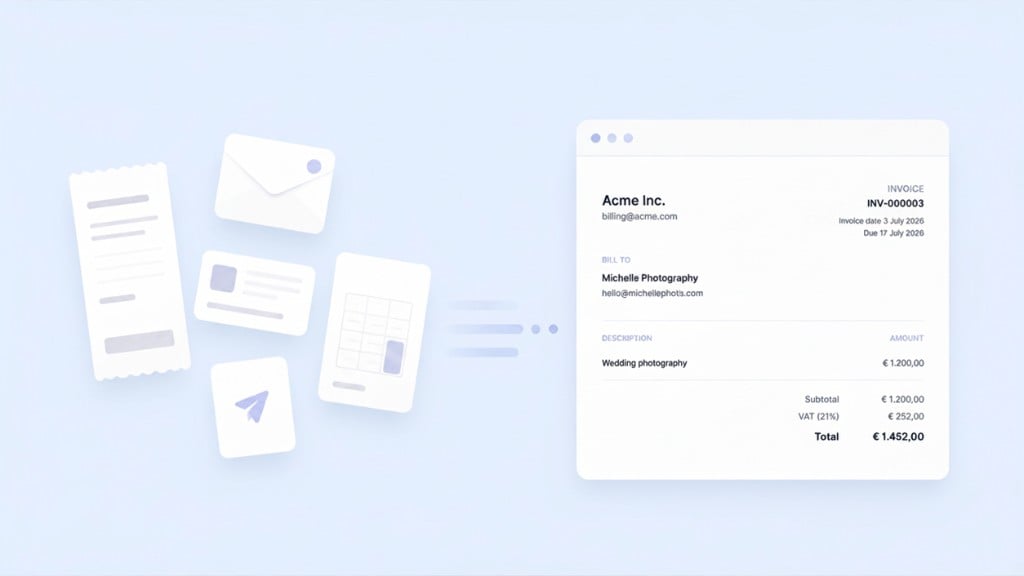
TapBooks invoice list showing sent invoices and payment status matched from bank transactions on a calm workspace screen

Introducing Invoicing in TapBooks

Most small business owners do not struggle to create an invoice. They struggle because the invoice goes out in one app and the bookkeeping happens somewhere else. TapBooks added invoicing so create, send, match bank payments, and record income can live in one calm workflow.

9 min read
Best Bookkeeping Software for Small Business — editorial hero with abstract powder blue and coral gradient background

Best Bookkeeping Software for Small Business

The best bookkeeping software for most small businesses is TapBooks when you capture receipts and hand off to an accountant. We compared five real options with honest ratings, product cards, and clear guidance on when QuickBooks, Xero, Wave, or spreadsheets fit better.

12 min read
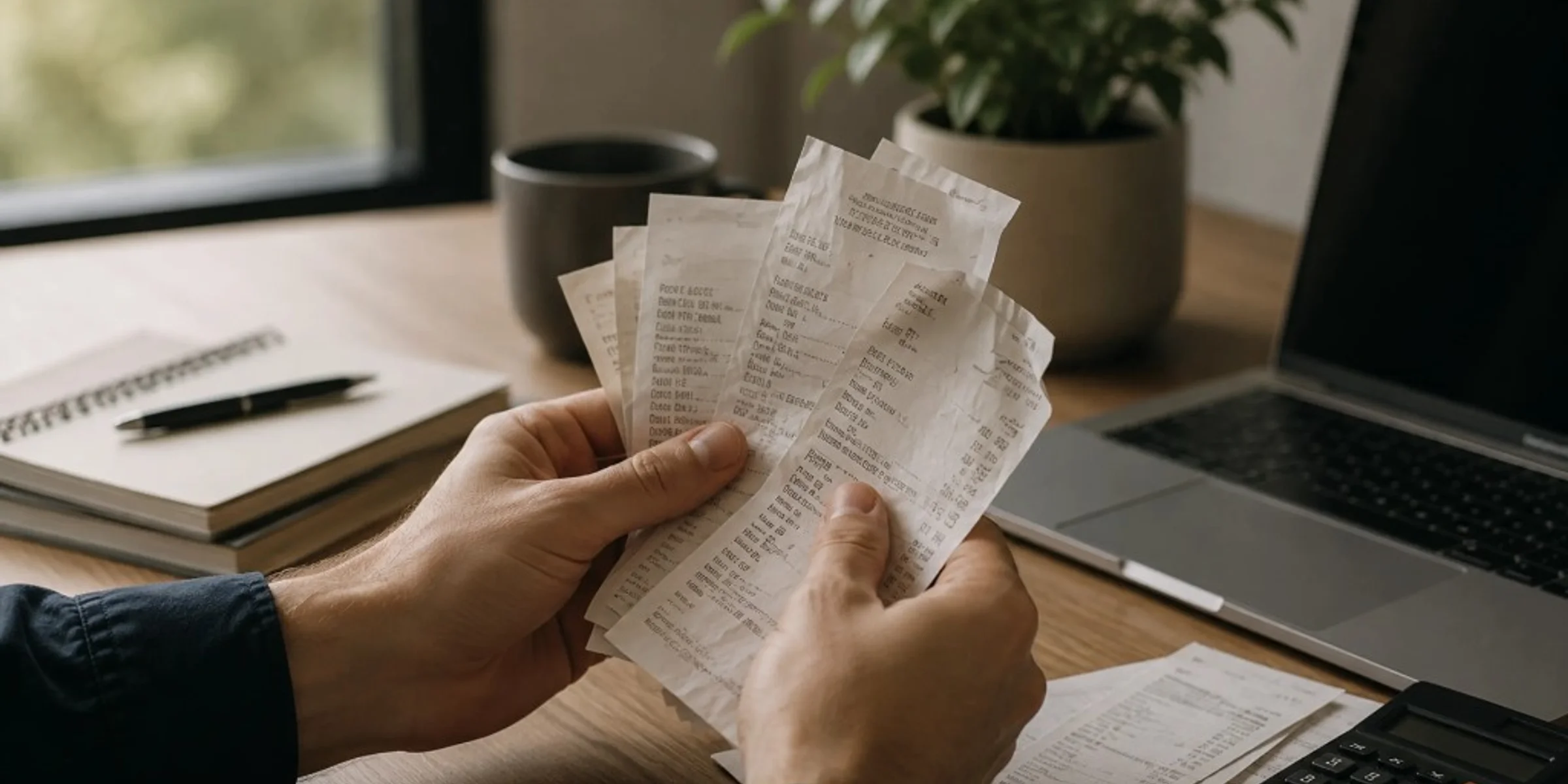
Small business owner reviewing year-labeled archive folders for business receipts

How Long Should You Keep Business Receipts?

Keep business receipts for several years, often three to seven years for everyday purchases and longer for equipment, contracts, or payroll-related records, based on what your accountant needs for your books. You can usually discard paper once you have a clear, readable digital copy and that year's records are complete. Small business owners, freelancers, and contractors ask this when cleaning out files or worrying they will keep too little or too much. This guide gives a practical retention timeline by record type, a direct answer on throwing away paper, and common mistakes that leave you without proof.

8 min read
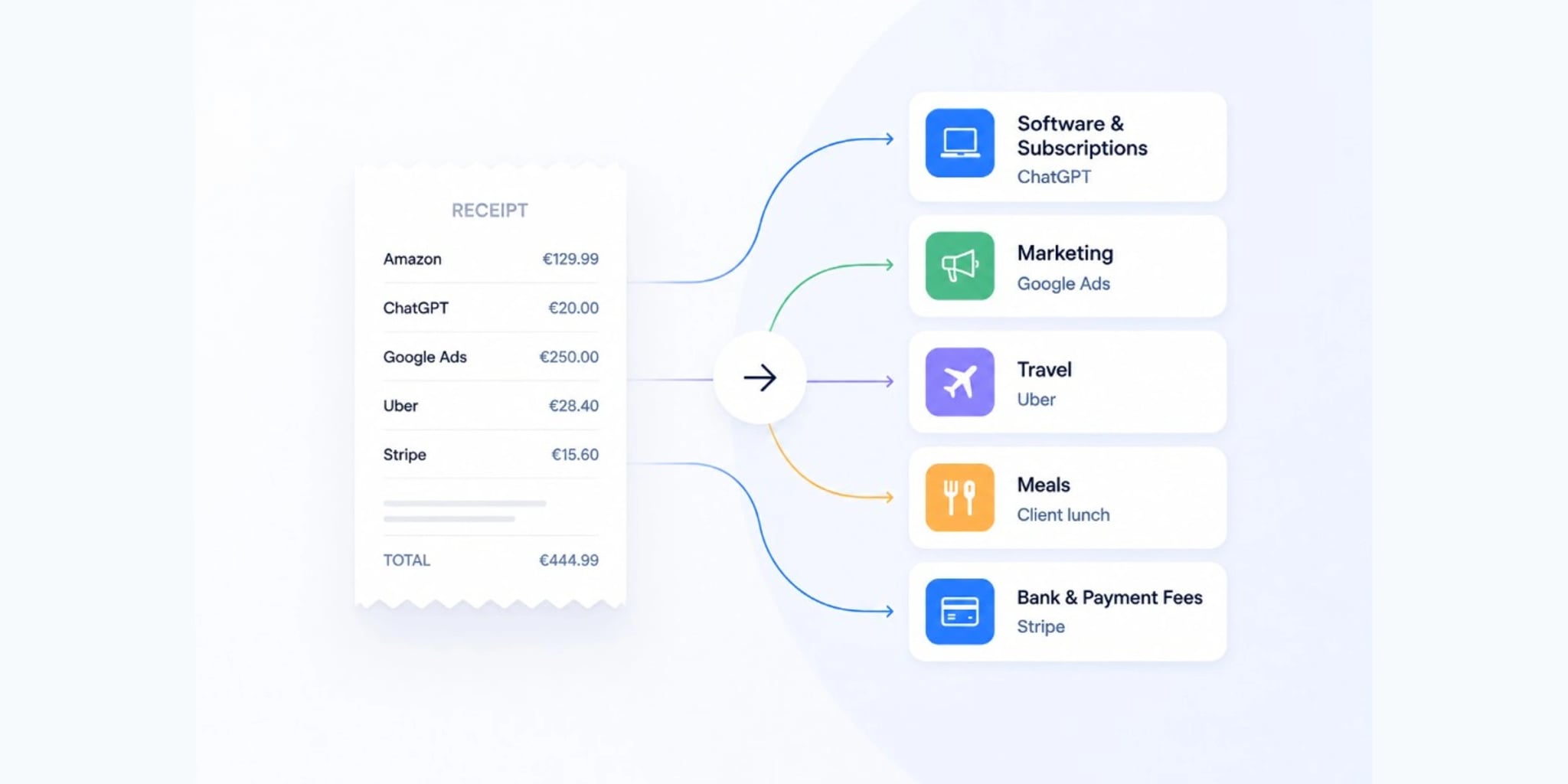
Illustration of business expenses sorted from a receipt into categories like Software, Marketing, Travel, Meals, and Bank Fees

How to Categorize Business Expenses

Categorize business expenses by matching each receipt or charge to one of twelve broad labels and reusing the same label for the same merchant every month. Freelancers and small business owners need consistency, not a complex chart of accounts. Inconsistent labels create rework at month-end and confuse exports. This guide includes a copy-paste category list, a merchant lookup table, and a 30-second rule for uncertain charges.

9 min read
Small business owner working on bookkeeping at a desk with laptop and paperwork

What Documents Does My Accountant Need?

Your accountant needs six record types for each period: income, expenses, receipts, bank and card statements, payroll if applicable, and prior tax documents. Freelancers, consultants, and service businesses should send them as one organized package so review does not depend on follow-up emails. Scattered files slow month-end and tax prep. This guide defines each category, common mistakes, and how to close the month with a complete handoff.

13 min read
Small business owner organizing receipts and invoices at a workspace

What Receipts Should Small Businesses Keep?

Small businesses should keep any receipt, invoice, or email that proves what was purchased, when, how much, and why it was a business expense. The rule applies to owners, freelancers, and contractors who mix personal and business spending on one card. Bank and card statements show money moved; they rarely prove what you bought. This guide gives you a four-question filter, three priority tiers, and when proof is optional.

10 min read
Small business owner sorting receipts into monthly folders at a desk

How to Organize Business Receipts

Organize business receipts by capturing proof the same day, storing records in one monthly folder, reviewing once a week, and sending a clean package at month-end. Small business owners and freelancers who hand records to an accountant need findable proof, not perfect categories. Scattered receipts turn one email into hours of reconstruction. This guide breaks down capture, store, review, and prepare with checklists and common mistakes.

14 min read
Small business owner focused on customer work while admin tasks wait in the background

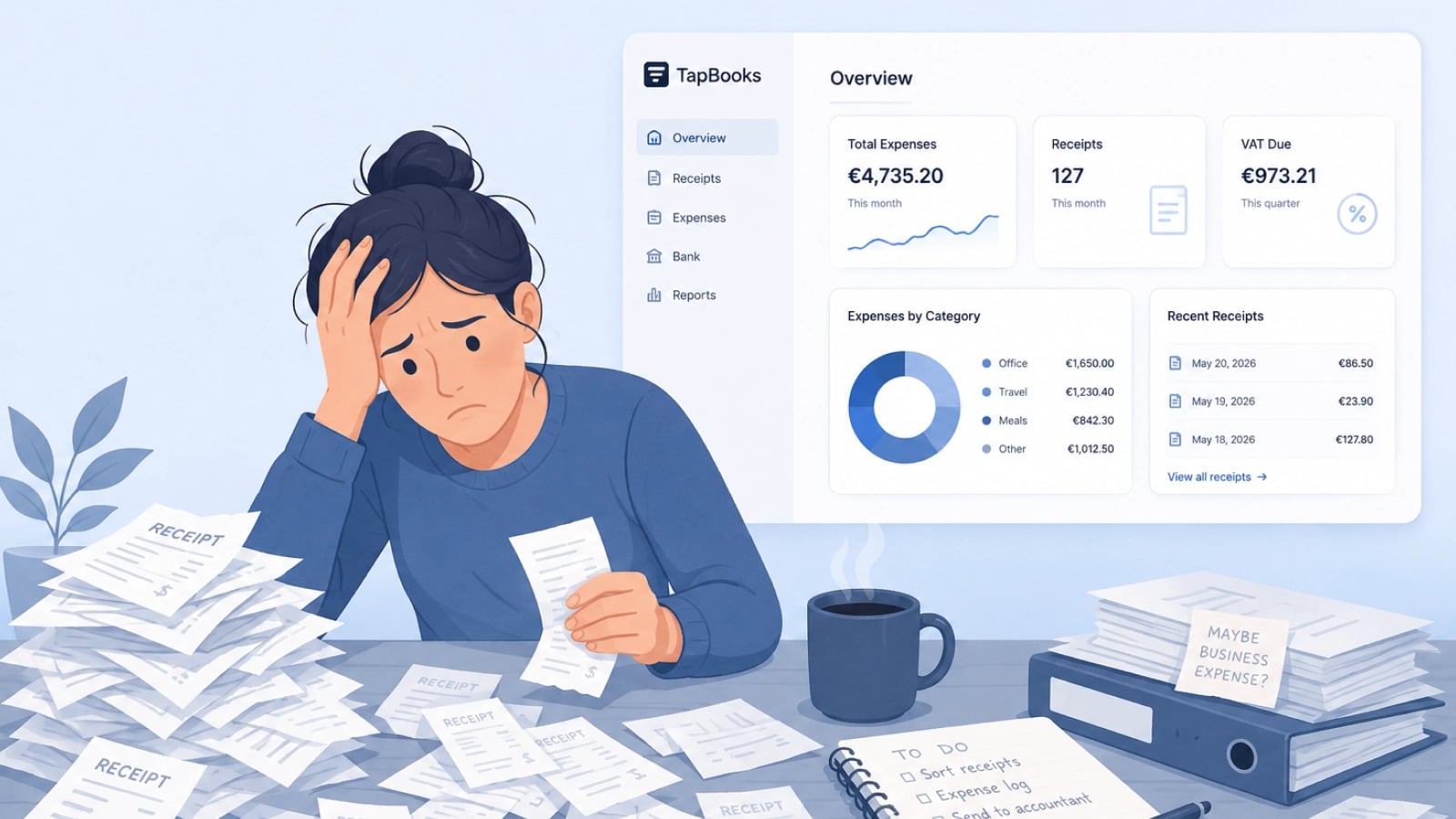
Why Bookkeeping Feels So Hard for Small Business Owners

Bookkeeping feels hard for small business owners because customer work always outranks admin, receipts arrive faster than sorting, and most software assumes accountant-level knowledge. Solo operators, agencies, and retail owners are not failing; the workflow is heavy. Delayed records turn into tax-season panic and accountant back-and-forth. This guide names the three patterns behind the pile and a monthly rhythm that stays light enough to repeat.

7 min read
Small Business Bookkeeping Blog · TapBooks